
Stories
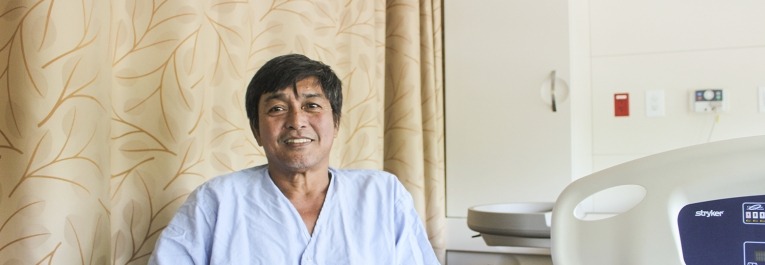
"Having to do this journey on my own, with no family here and my wife and son back home in American Samoa,
Rehabilitation for Complex Orthopedic Injuries in Hawaii
Not all orthopedic recoveries are straightforward. For patients recovering from a severe trauma like a car accident, or for those facing orthopedic surgery with co-existing medical conditions such as heart disease, cancer or neurological disorders such as Parkinson’s Disease or Multiple Sclerosis, the path to healing requires a higher level of care.
At REHAB Hospital of the Pacific, we specialize in these complex cases. Our Orthopedic Rehabilitation Program is based in a true hospital setting, providing the intensive, medically supervised care necessary to manage your total health while helping you rebuild your strength and regain your independence.
The REHAB Difference: Why Complex Cases Need a Certified IRF
For a medically complex patient, the 24/7 medical supervision and intensive therapy of a certified Inpatient Rehabilitation Facility (IRF) is not just beneficial—it is essential for a safe and successful recovery.
| Inpatient Rehabilitation Facility (IRF) | Skilled Nursing Facility (SNF) | |
|---|---|---|
| Primary Goal | Intensive recovery to return home | Long-term nursing care & slower-paced rehab |
| Therapy Intensity | 3+ hours per day, 5+ days a week (or 15 hours per week) | Lower intensity, often a few hours per week |
| Physician Care | Daily oversight - rehab doctor sees patients at least 3x/week, often daily | Physician or non-physician providers are only required to see patients once every 30 days in the first 90 days |
| Nursing Care | 24/7 specialized rehabilitation nursing | 24/7 skilled nursing care |
| Proven Outcomes | Higher likelihood of returning home & better long-term functional gains | Often a setting for long-term residency |
Conditions We Specialize In
Our program is uniquely equipped to handle orthopedic patients with a higher level of medical acuity. We are the ideal choice for:
- Recovery from severe trauma (e.g., multiple fractures from a motor vehicle accident or fall).
- Post-surgical rehabilitation for patients with complex medical histories (e.g., heart disease, COPD, uncontrolled diabetes).
- Orthopedic care for patients with neurological conditions (e.g., post-stroke, spinal cord injury, Parkinson’s Disease, Multiple Sclerosis).
- Rehabilitation for cancer patients with orthopedic complications (e.g., fractures, post-surgical weakness).
- Complex single and multiple joint replacements (hip, knee) requiring hospital-level care.
Who Truly Needs IRF-Level Orthopedic Care?
A common question we receive is, "Why would someone go to an IRF for orthopedic care instead of just going home?" The answer is simple: an IRF is for patients who require hospital-level medical care in addition to their intensive therapy.
You are a candidate for our inpatient orthopedic program if you need:
- Daily medical supervision by a rehab doctor to manage your recovery and other health conditions.
- 24/7 rehabilitation nursing to provide specialized care, manage pain, and assist with mobility.
- An intensive, coordinated therapy program of at least 3 hours per day, 5 days a week (or 15 hours/week).
Why Many Routine Joint Replacements Don’t Require an IRF
- Modern surgical advancements mean that many healthy individuals are able to discharge directly home after a standard joint replacement. Here's a breakdown of why an IRF is reserved for more complex cases:
- Recovery Needs Are Often Less Complex Many people who undergo an uncomplicated hip or knee replacement can safely recover at home with outpatient therapy. They don’t typically require the intensity of therapy (3+ hours/day) or 24/7 physician oversight that an IRF provides.
- IRFs Are Designed for Complex Cases An IRF stay is appropriate when a patient has medical complications or additional conditions that make recovery more challenging. For example, someone with a new knee replacement plus uncontrolled diabetes, heart failure, or a prior stroke. The higher level of medical care in an IRF ensures these patients can progress safely.
- Insurance & Admission Criteria Medicare and most insurers require patients admitted to an IRF to meet strict criteria showing the need for intensive, interdisciplinary rehab. An uncomplicated joint replacement does not usually meet those criteria.
- Right Care, Right Setting The goal is to match the level of care to the patient’s needs:
- IRF → for patients with complex conditions, complications, or significant impairments requiring daily physician oversight and intensive, multidisciplinary, therapy.
- Outpatient PT → for most routine joint replacements.
- SNF → for patients needing only one therapy discipline (e.g. only physical therapy), a slower pace of therapy, or extra support before going home.
Your Care Team: Managing Your Total Health
A complex injury requires a coordinated team of medical experts, led by a physician, who can manage your entire health profile.
- Physiatrists: Your rehabilitation physician doesn't just focus on your injury; they manage your complete medical picture, including medications for co-existing conditions, to ensure your stability and readiness for therapy each day.
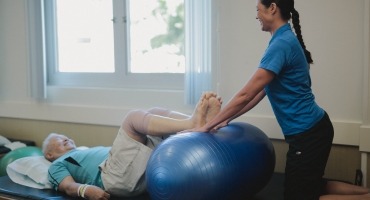
- Physical Therapists (PT): Our PTs are experts at adapting therapy to work around your unique limitations, safely strengthening your body while respecting your overall health.
- Occupational Therapists (OT): Our OTs help you regain independence in daily life, providing creative strategies and adaptive equipment to overcome challenges posed by multiple injuries or conditions.
- Rehabilitation Nurses: Your 24/7 nursing team is specially trained in rehabilitation, providing expert medical monitoring and care that is critical for a complex patient.
- Other team members may include care coordinators, psychologists, speech-language pathologists, recreational therapists, dieticians and more.
Innovative Technologies
We utilize state-of-the-art technology to help you recover faster and with less pain. Depending on your needs, your therapy may include:
- AlterG® Anti-Gravity Treadmill™: Allows you to start walking and practice your gait with reduced body weight, minimizing stress on your new joint.
- Hydrotherapy Pools: The buoyancy of water provides a safe, low-impact environment to improve your strength and flexibility.
- Advanced Strengthening & Balance Equipment: To help you build the muscle needed to support your new joint and prevent falls.
Frequently Asked Questions (FAQ)
- My loved one has a new hip but also a heart condition. Can you handle both? Yes. This is exactly what our facility is designed for. As a hospital, our physiatrists and rehabilitation nurses are on-site to manage your loved one's complete medical needs—including their heart condition—while our therapists focus on their orthopedic recovery.
- What makes your hospital better for someone with multiple injuries? The intensity of therapy (3+ hours a day) combined with daily physician oversight and 24/7 rehabilitation nursing provides a level of coordinated care that a lower-level facility cannot match. This integrated approach is critical for managing the complexities of orthopedic trauma.
- How is therapy adapted for someone with multiple health issues? Your entire therapy plan is created and overseen by your physiatrist. Therapists are in constant communication with your doctor and nurses, allowing them to safely modify your exercises based on your daily medical status, energy levels, and pain.
- What is the family's role in recovery? Family is a crucial part of the team. We provide extensive, hands-on caregiver training and education to ensure your loved ones feel confident and prepared to support you during and after your stay.
- What is the role of a rehabilitation nurse? Our rehabilitation nurses are specially trained to manage the medical needs of complex patients while also helping you practice the skills you learn in therapy. They are your 24/7 link between medical care and rehabilitation goals.
- What does a typical day look like in the program? Your day will be structured and active. It will include at least three hours of therapy broken into sessions (PT, OT), meals, time for rest, and visits with your physician and family.
- How is 'complex trauma' different from a simple fracture? Complex trauma often involves multiple fractures, injuries to more than one part of the body, or significant damage that requires a longer, more medically intensive recovery than a single, uncomplicated broken bone.
- What kind of technology do you use? We use state-of-the-art equipment like the AlterG® Anti-Gravity Treadmill™ to allow for earlier, safer walking with less pain, as well as hydrotherapy pools and advanced strengthening equipment.
- Do I need a referral for complex orthopedic rehab? Yes, patients are admitted to our inpatient program upon referral from a physician, typically from the acute care hospital where they were treated for their injury or surgery.
- Is this higher level of care covered by insurance? Yes, for qualifying conditions, intensive inpatient rehabilitation at a certified IRF is a covered benefit under most insurance plans, including Medicare. Our admissions team can help you verify your benefits.
Recovery At Home
A successful recovery doesn't end when you leave our hospital. Our team is dedicated to making sure you have a safe and smooth transition back to your community. This includes:
- Discharge Planning: We begin planning for your discharge from day one, coordinating with you and your family.
- Caregiver Training: We ensure your family members are confident in their ability to assist you at home, teaching them about any safety precautions.
- Transition to Outpatient Therapy: We can provide a seamless transition to our own outpatient clinics to continue your rehabilitation journey without interruption.
- Ongoing Specialty Care: We can make recommendations or follow-up appointments for specialists to ensure your medical and rehabilitation needs continue to be met. This includes referrals to our outpatient physiatrists located in REHAB’s Physicians Clinic.
Take the First Step to a Stronger Recovery
For a complex orthopedic injury, choosing the right rehabilitation program is the most important decision you can make. Contact our admissions team to learn more about how our hospital-level care can help.
Explore Our Continuum of Care
Your recovery journey continues even after you leave our hospital. We offer a full range of services to support you as you regain your strength and independence.
- Outpatient Therapy: Transition seamlessly from inpatient to outpatient care with our physical and occupational therapists to continue building on your progress.
- REHAB Strong (Wellness Program): Maintain your health and fitness in a supportive environment after you've completed your formal therapy.
- Pain Program: For those who may experience lingering or chronic pain issues, our specialized program can help.


Locations
REHAB LOCATIONS